Theatrical Belly Dance Training
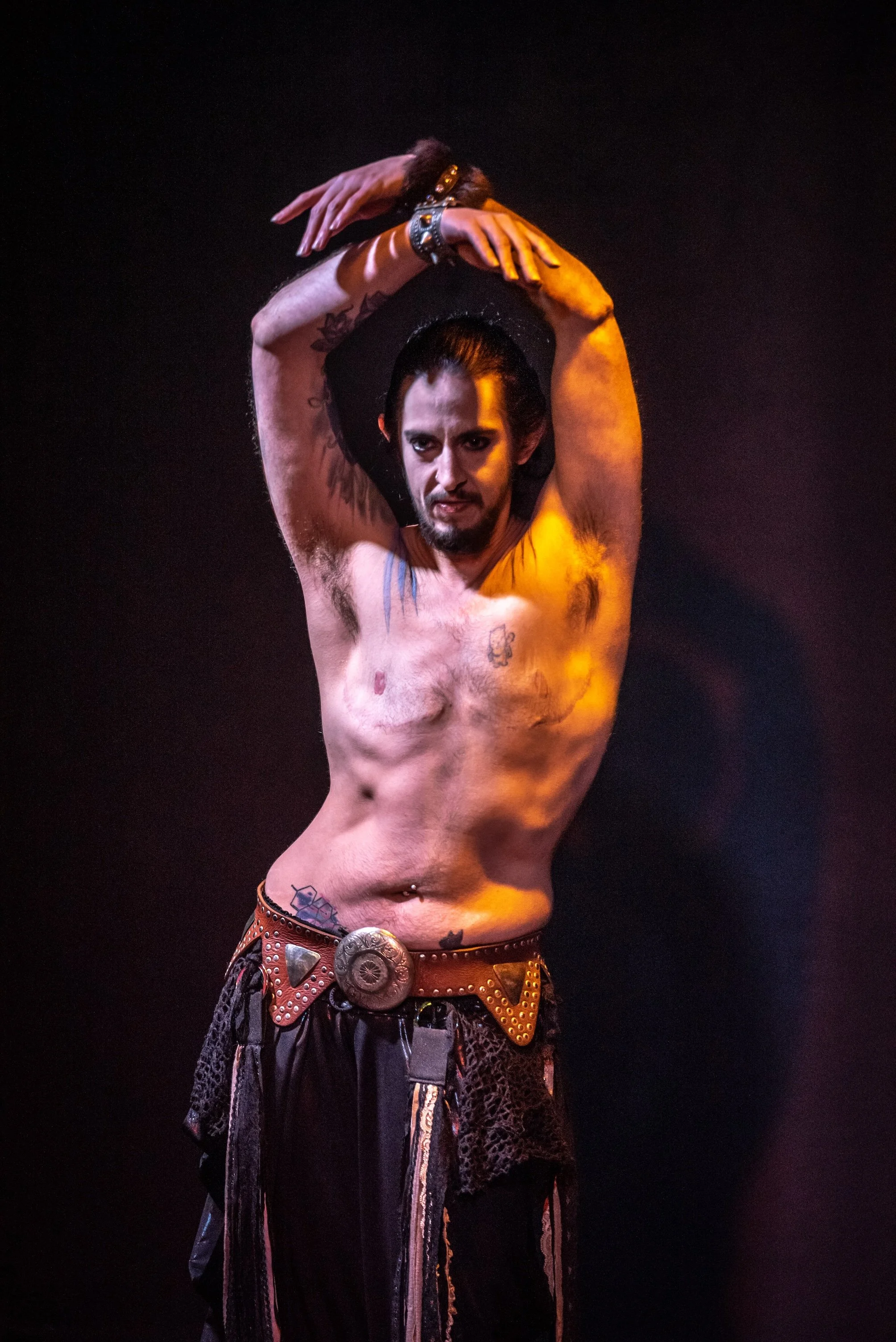
Summon the Artist
An online Saturday intensive for belly dancers who want their stage presence to be intentional, dark, and unforgettable.
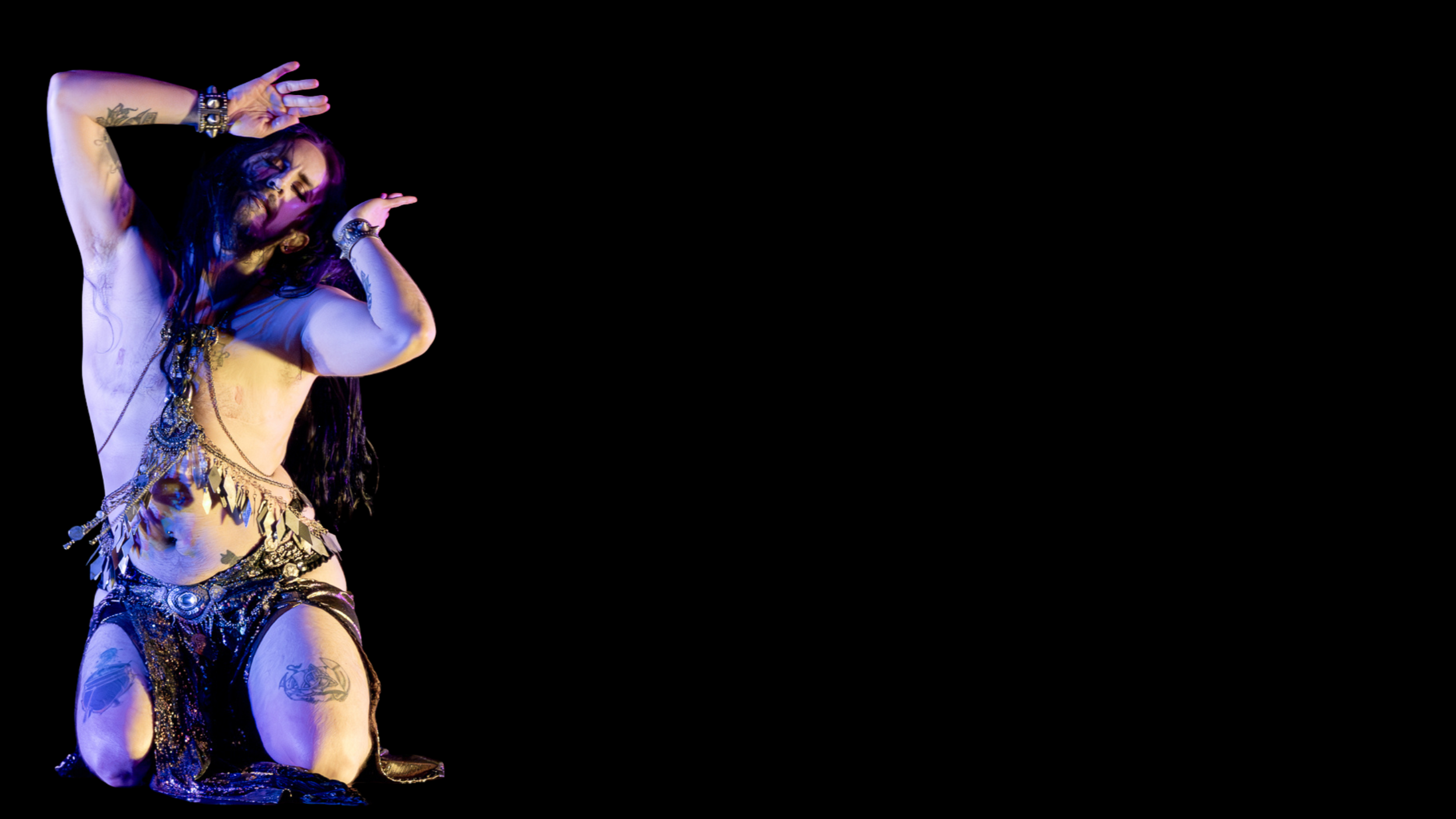
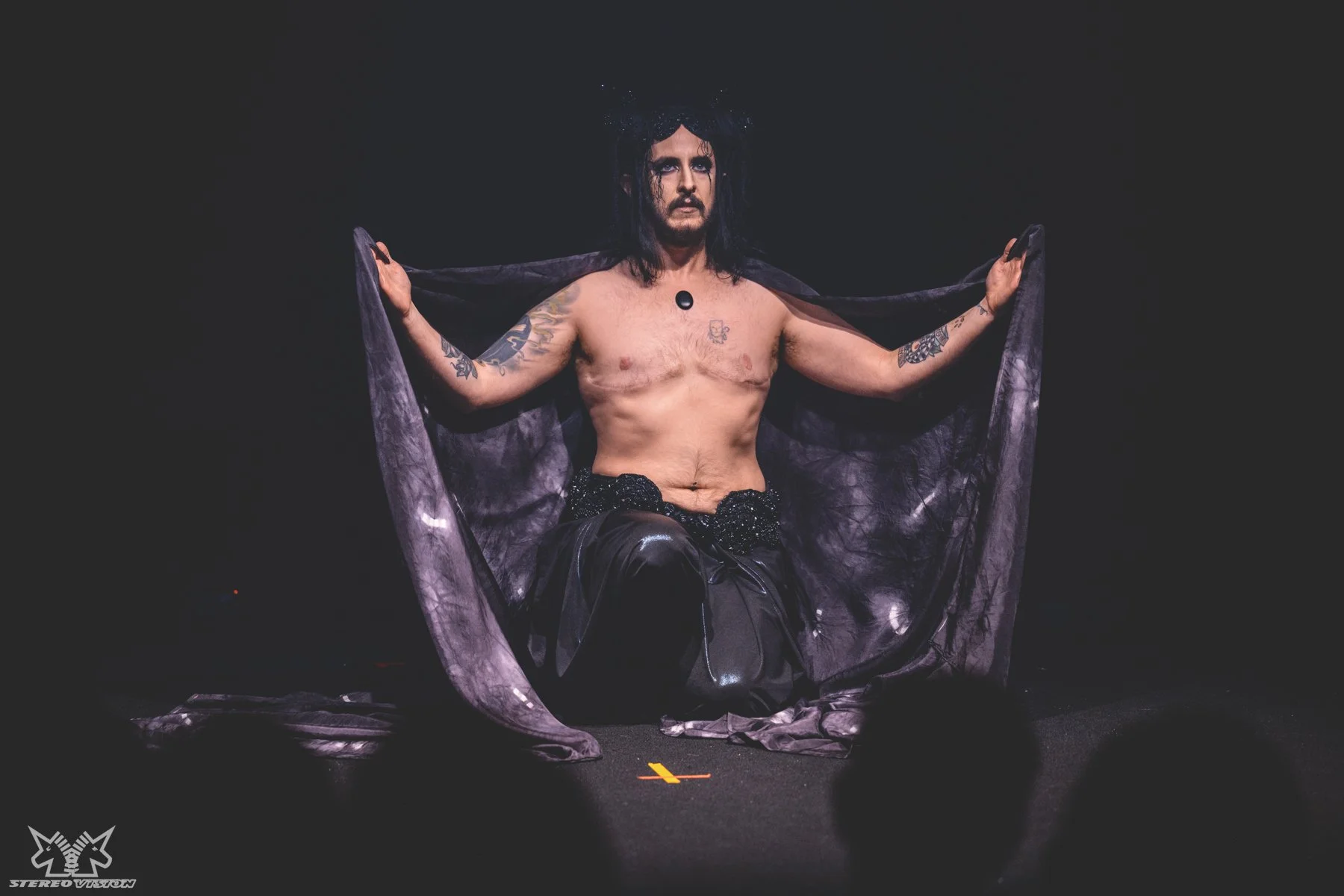
Be Believable On Stage: The Summoner
In this workshop, you will:
Train dark fusion combinations grounded in clean technique
Learn breath and energy manipulation methods drawn from martial arts (and how this relates to performance)
Develop character intention for performance
Practice theatrical projection that reads to the back of the room
Learn to maintain your character throughout your entire performance
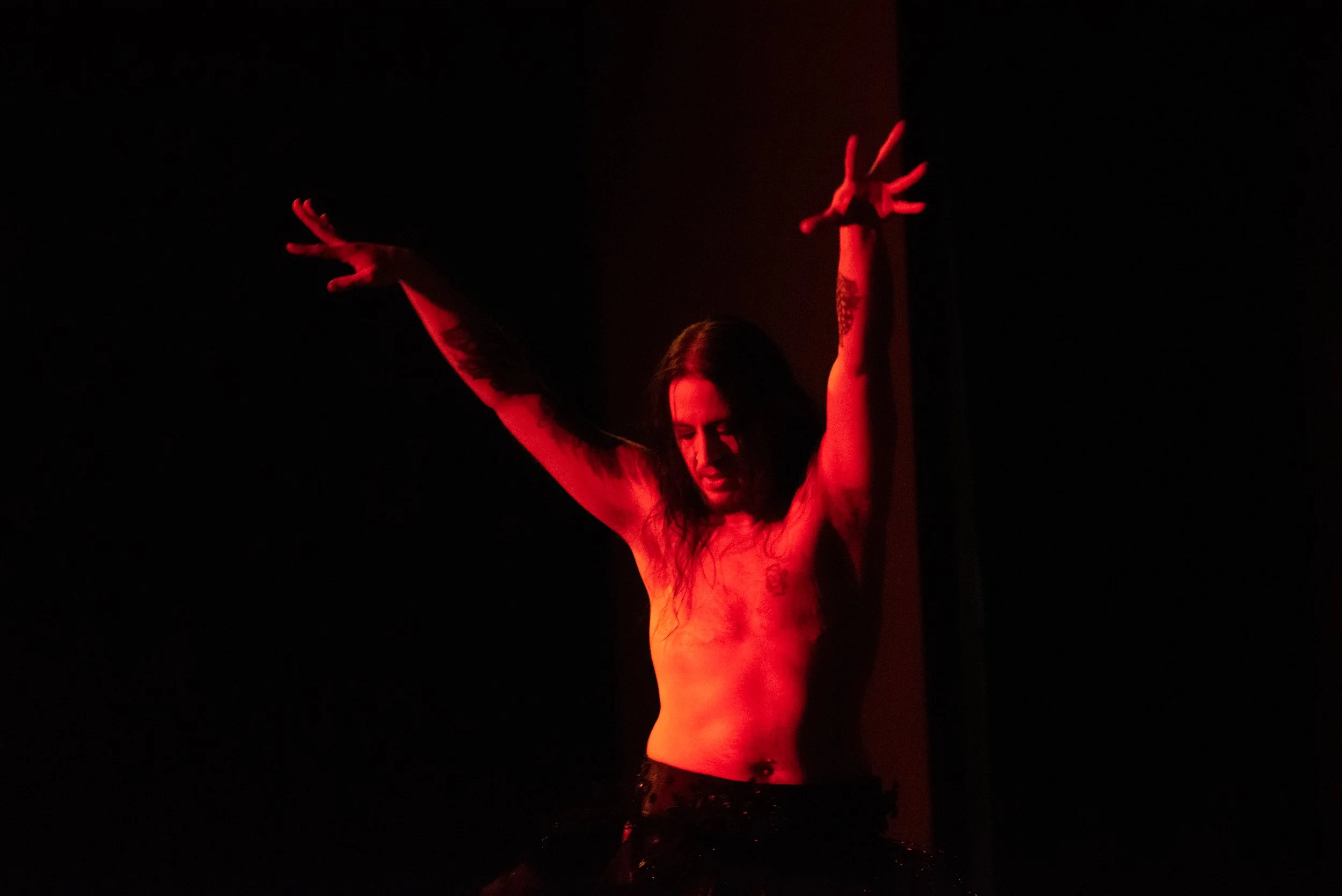
Keep the audience right in your palm, anticipating every single move
Afternoon lecture:
Belly Dance and the Art of Critique
In this session, we will cover:
The importance of healthy, supportive critique - NOT criticism - for artistic and community growth
How to evaluate structure, intention, and clarity
How to give feedback that strengthens performance instead of discouraging it
How to assess your own work without harsh judgement
Elevate the art of critique within the belly dance community
Meet your Instructor
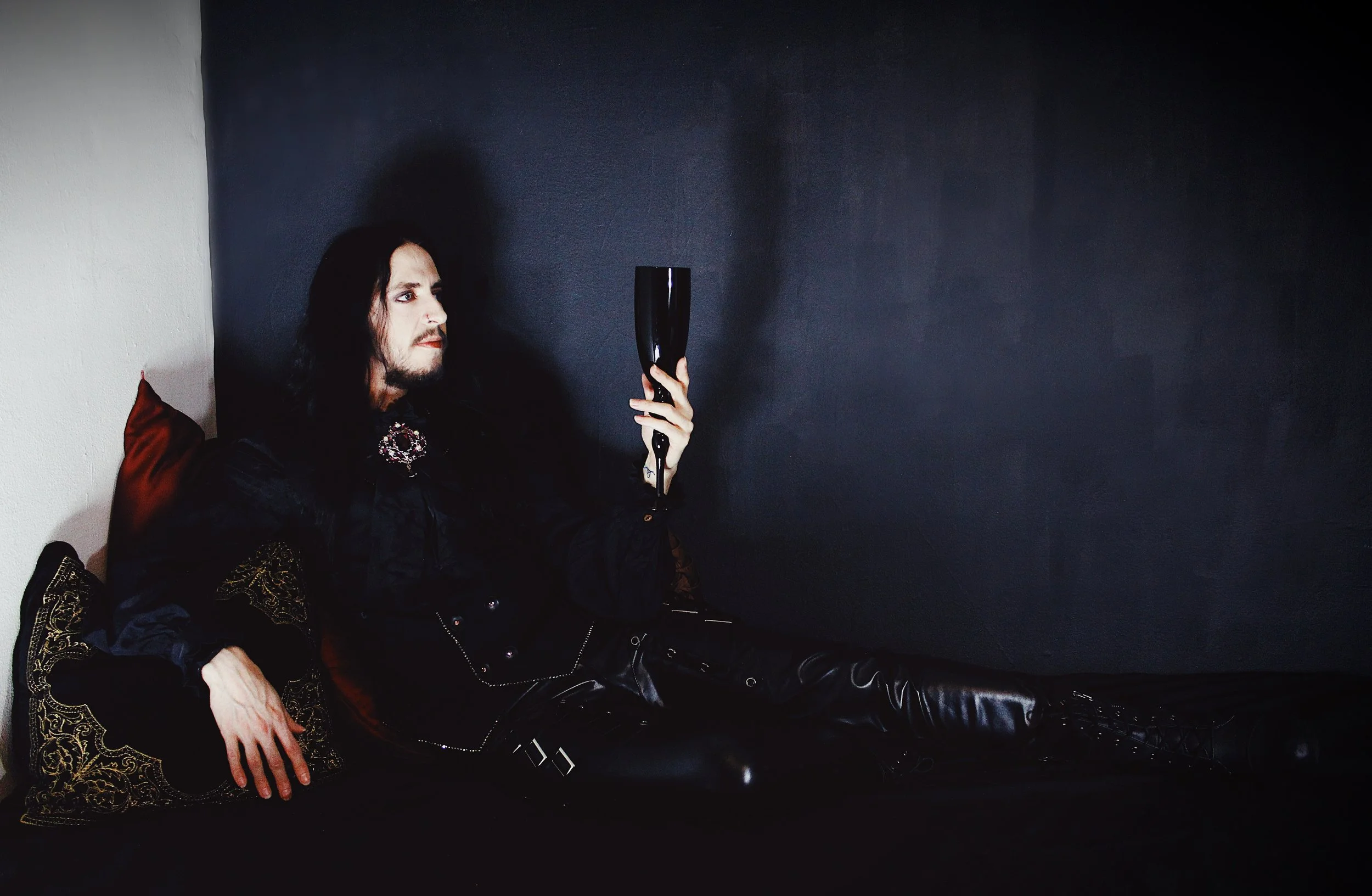
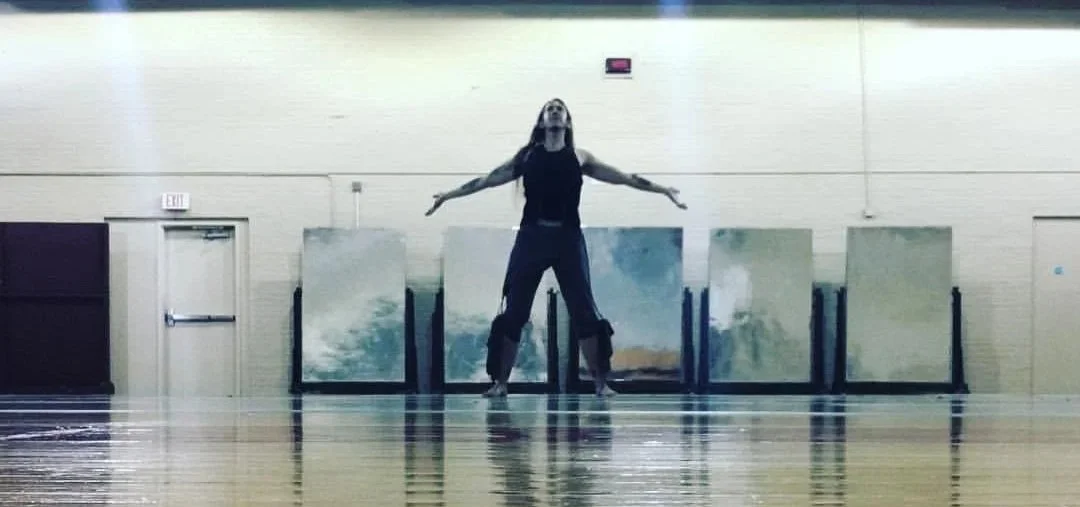
Kamrah is a US-based internationally renowned performer and headlining instructor known for theatrical dark fusion and precision technique. He’s appeared in productions such as Bal-Anat (the longest running belly dance show in the world, now nominated for an Isadora Duncan Dance Award), The Return with Myra Krien, and has performed regularly in geeky cosplay performances in Chicago, and at GenCon and WorldCon.
His teaching integrates decades of martial arts training (Tae Kwon Do, Kenpo, Kung-Fu, Tai Chi, Qi Gong), with anatomy study from his work as a nationally certified massage therapist. This background informs his approach to breath control, energy projection, and movement clarity.
A lifelong musician and interdisciplinary artist, Kamrah began piano at age three and performed his first recital at five. He also received training in violin, cello, guitar, and now finger cymbals and drumming. His formal and informal training across acting, writing (as a published author), painting, drawing, and pottery informs his structured approach to artistic critique.
In this intensive, he brings together technique, theatrical training, and artistic analysis into a singular experience.